编者按
在全球化浪潮与人工智能变革的双重驱动下,国际化人才的培养日益成为高等教育的核心命题。《北城华威教授访谈录》由北京城市学院华威大学项目管理教学中心策划,北京城市学院国际文化与传播学部融媒体中心制作,通过访谈北京城市学院华威大学中外合作项目管理教授,以多元视角启迪思想、以国际视野涵育未来。期待读者从每一场跨越文化的深度对话中,汲取面向未来的力量。
《北城华威教授访谈录》(一)
本期访谈嘉宾:
华威大学制造工程学院《项目战略》课程主讲人Dr. Ifonima Essien
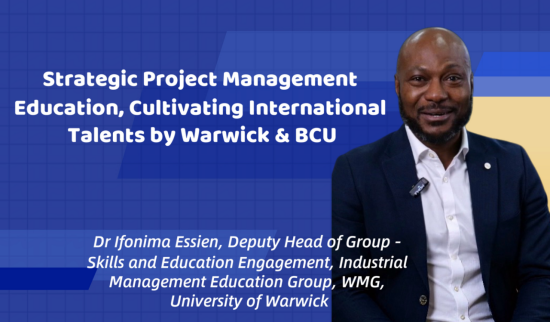
Dr. Ifonima Essien 围绕六大核心议题,分享了他在WMG学院项目管理教育领域的深刻洞察:从以PESO框架审视组织战略环境,到“行业影响项目”的产学协同育人模式;从AI时代“核心软实力”的培养路径,到跨文化协作能力在全球项目管理中的关键价值;从给有志于跨国管理的学生提出“练习、练习、再练习”的务实忠告,到面向工业4.0推出“项目管理中的人工智能”“可持续项目管理”等前沿新模块。访谈中既有国际顶尖大学教育改革的前沿探索,亦有对中国学生未来发展的真挚期许。
访谈文字实录:
01
How do you think this course helps students formulate and manage complex project portfolios from a micro perspective?
这门课程如何从具体操作层面帮助学生制定和管理复杂的项目组合?
What we focus on is strategy from the organizational perspective. We ask our students to look at the context of organizations, so we use frameworks like PESO to look at political and geopolitical issues, economic issues like inflation, social issues like changing demographics, and technological issues. Once they are able to encapsulate that and understand how it impacts organizations, we make it very clear to them that every program and project seeks to ensure that organizations are competitive. When we teach our students, we use real-world case studies. In this instance, we use examples like the Beijing Olympics in 2008. So these are some of the things that we do: creating an environment for our students to understand real-world challenges of organizations and governments, and then contextualize that at the program and project level.
我们关注的重点是站在组织视角制定战略。我们会引导学生分析组织所处的外部环境,运用PESO这类分析框架,去审视政治与地缘问题、通货膨胀等经济议题、人口结构变化等社会趋势,以及技术发展动态。在帮助他们梳理清楚这些要素、并理解其如何影响组织之后,我们会明确传递一个核心理念:所有的项目与计划,最终目标都是保障组织的竞争力。在教学方式上,我们采用真实世界的案例研究,比如2008年北京奥运会就是一个典型案例。通过这种方式,我们为学生营造了一个贴近现实的学习环境,帮助他们理解组织和政府所面临的实际挑战,并学会将这些挑战放在项目与计划的层面进行具体分析与应对。
02
In your view how, does collaborative R&D and practice oriented this teaching model help Chinese students enhance their leadership in the field of project management?
在您看来,这种以协作研发与实践导向的教学模式如何帮助中国学生提升项目管理领域的领导力?
It's not just within the university — we do a lot of collaborative work with industry. The way we teach our modules is not only about giving students knowledge, but also providing them with the opportunity to apply that knowledge in class. We take it one step further because here at WMG, we have what we call the Industry Impact Project. We build and leverage our relationships with organizations such as GSK, Colin Zero Space, and other top organizations across the UK. We walk into these organizations and ask them what challenges they are facing. Then we bring our WMG students — based on what they’ve learned in the classroom, both the theory and its application — and immerse them in these organizations. This enables students to learn on the ground while also helping these organizations find solutions to some of their most wicked problems. It gives our Chinese and international students valuable work experience, and in doing so, better prepares them for industry and enterprise once they complete their modules and courses at WMG.
我们的教学不仅限于校园内,还与行业开展广泛的合作。在模块教学中,我们不仅传授知识,更让学生有机会在课堂上应用所学。更进一步,我们在华威大学制造工程学院设立了名为“行业影响项目”案例实践计划。我们利用并深化与葛兰素史克、柯林零度空间等英国顶尖机构的合作关系,深入这些企业,了解企业当前面临的挑战。随后,我们带领学院学生,结合课堂所学的理论及其应用方法,对这些组织进行调研,在帮助企业寻找“棘手问题”的解决方案的同时,也让学生在真实场景中学习成长。这一过程让我们的中国学生和国际学生获得宝贵的工作经验,使他们在完成WMG的模块与课程后,更加从容地迈入行业、融入企业。
03
How can students translate the knowledge gained through this program into tangible momentum for / career advancement? And what specific advice would you give to students aspiring to management roles in multinational corporations or international projects?
学生如何将通过该课程项目学到的知识转化为职业发展的实际动力?对于渴望在跨国公司或国际项目中担任管理职位的学生,您有哪些具体建议?
The advice I have is: practice, practice, practice. I cannot emphasize that enough, because program and project management is all about the application of what you have learned. We teach our students knowledge — we give them knowledge, and we also ensure that they are able to apply it. This is what will give them traction in their practice, in their industry, or even in their careers. One of the things we do really well at WMG is that we don't just give students technical skills; we also equip them with behavioral skills. What we have found is that at the entry level in most industries, there has always been a strong demand for people who are highly technical and can solve problems. However, recently with the advent of AI, we are seeing that those entry-level jobs are increasingly being automated — there are fewer jobs available for our students at that level. So we are also preparing them for mid-level opportunities. We give them behavioral skills such as cultural intelligence. We give them skills like emotional intelligence: how to understand yourself better, how to work better in a team, how to collaborate — whether in person with co-located teams or virtually. If you are part of a dispersed team across the world, you need to understand different cultures. You need to understand how to communicate with people. You need to understand how to manage conflicts. A graduate of WMG will have a competitive advantage in all these areas.
我的建议是:练习、练习、再练习。这一点怎么强调都不为过,因为项目管理的核心就在于应用所学。我们不仅向学生传授知识,更确保他们能够将知识付诸实践。正是这一点,能让他们在行业实践乃至整个职业生涯中持续获得前行动力。华威大学制造工程学院做得非常出色的一点是:我们不仅培养学生的技术技能,同样重视行为技能的塑造。我们发现,过去大多数行业的入门级岗位始终青睐技术扎实、善于解决问题的人才。但近年来,随着人工智能的兴起,这些入门岗位正逐步被替代,学生可从事的基础职位也随之减少。因此,我们也在帮助学生为中层岗位做好准备——我们培养他们的行为技能,比如文化素养;我们教他们情商技能,比如如何更深刻地认识自我、如何在团队中高效协作,无论是与同地团队面对面合作,还是与线上团队远程协同。如果你身处一个遍布全球的分散团队,就需要理解不同文化,懂得如何与人沟通,知道如何管理冲突。而我们华威大学制造工程学院的毕业生,正是在这些方面具备竞争优势。
04
Nowadays, Al is prevalent. What do you think about this issue, and what have you done regarding it?
如今,人工智能的应用很普遍。您如何看待这个问题?华威大学制造工程学院做了哪些工作来应对这一变化?
What we always tell our students is that AI will not replace every single role. However, people who understand how to use AI are better prepared for the job market. So we are enabling our students to understand how to interact with AI — we're teaching them prompt engineering. And we always talk about keeping the human in the loop; we're always going to need human beings because we are emotional, etc. That's why there is increasing emphasis at WMG on giving our students what we call "power skills" — the ability to influence people's decisions, actions, as well as their outcomes.
我们一直告诉学生:人工智能不会取代所有岗位。然而,懂得如何运用AI的人,将在就业市场上更具优势。因此,我们正在培养学生与AI互动的能力——教他们如何进行提示词工程。我们始终强调“人机协同”,人类始终不可或缺,因为我们有情感、有判断。这也正是华威大学制造工程学院(WMG)越来越重视赋予学生所谓“核心软实力”的原因——即影响他人决策、行动及结果的能力。
05
Why do you believe cross culture collaboration skills are so crucial in project management? And through which specific program designs does the program help students break down cultural barriers and enhance the effectiveness of a global collaboration?
您为什么认为跨文化协作技能在项目管理中如此关键?该项目通过哪些具体的课程设计,帮助学生打破文化壁垒,提升全球协作的有效性?
So I lead and teach on a module called Collaborative Project Working. That's where we teach some of the things I mentioned earlier: the power skills — cultural intelligence, emotional intelligence, conflict management, and how leaders build the culture of their organizations and teams. We emphasize things like psychological safety — how to create an environment where people are able to make mistakes while they learn and grow in their careers. It's important that we equip our students with the skills that will make them successful in their professional lives. One of the ways we do that is by tailoring our modules to ensure we fill the gaps in the market.
我负责并讲授“协作项目工作”课程模块。这门课涵盖了我之前提到的内容:核心软实力包括文化素养、情商、冲突管理,以及领导者如何塑造组织和团队文化。我们特别强调心理安全,也就是如何营造一种环境,让人们在职业学习和成长过程中能够容许犯错。帮助学生掌握助力职业成功的技能,这一点至关重要。我们实现这一目标的方式之一,就是对课程模块进行定制化设计,以填补就业市场的技能缺口。
06
What is your outlook for the future of this program?
您对北京城市学院华威大学中外合作办学项目管理硕士的未来展望是什么?
Industry 4.0 and the advent of rapid automation, Al is a big deal now. So in response to that, on our current course program we have designed a number of new modules, Al in project management. And what that does is to enable our students understand how Al will facilitate their role as project managers. Whether you're using Al for decision making,whether you're using AI for risk management etc. It just makes us better project managers if we have those tools. The second module which I'd like to mention is Sustainable project Management. Because of the demands of the world we're living, we need to enable our students have the knowledge as well as the tools and the competency to be able to deliver. We are responded to these changes in real time and we are doing everything we can to ensure that our students will continue to leave the pack and contribute to be ahead of the game of project management.
工业4.0与快速自动化,也就是人工智能的兴起是当下的重大趋势。为了应对这一趋势,我们为当前的课程项目设计了一些新模块,比如“项目管理中的人工智能”,这样做是为了让我们的学生理解人工智能可以怎样辅助他们开展项目经理的工作。无论是使用AI进行决策还是风险管理,如果我们有这些工具,我们就能成为更好的项目管理。我想说的第二个模块“可持续项目管理”,为迎合我们所处世界的需求,我们需要让我们的学生不仅能够掌握知识、工具与能力,还要具备运用它们的能力。我们会实时响应这些变化,同时尽一切努力确保学生在项目管理领域能够一直出类拔萃,保持领先。
Blessing words
祝福
Thank you very much for the opportunity to grant this interview. I'm also deeply grateful for the chance to come to Beijing to teach the Program and Project Strategy module. I've had a remarkable time during the two weeks I've been here — the hospitality has been exceptional, and the sights and sounds have created brilliant memories that I will cherish for a very long time. I look forward to concluding this module in the coming days, and more importantly, I look forward to more opportunities to return to Beijing and engage with your wonderful students and faculty.
非常感谢北京城市学院华威大学项目管理教学中心提供这次访谈的机会。我也十分荣幸能来到北京城市学院为WMG同学们讲授《项目战略》这门课程。在这里度过的两周时光令我难忘——大家的热情款待无微不至,这里的所见所闻都成为了我珍贵的记忆,我将长久珍藏。我期待在接下来的日子里圆满完成本模块的教学。更重要的是,我期盼未来能有更多机会回到北京,与这里出色的同学们和老师们继续交流。
I would like to close by wishing the faculty and students of Beijing City University all the very best in your future endeavors and every success in your careers.
最后,我想祝愿北京城市学院的全体老师和同学们:在未来的事业与学业中一切顺利,前程似锦。
策 划:北京城市学院华威大学项目管理教学中心
制 作:北京城市学院国际文化与传播学部融媒体中心
记 者:曹熹妍(2023级英语专业)
摄 像:薛 涛(2023级广播电视编导专业研究生)
董艺铭(2022级广播电视编导专业)
视频剪辑:肖熙熙(2024级广播电视编导专业)
字幕校审:滕飞
编 辑:殷静仪
监 制:张心远 龚秋童 徐锦
请扫码关注以下平台观看本期访谈视频